
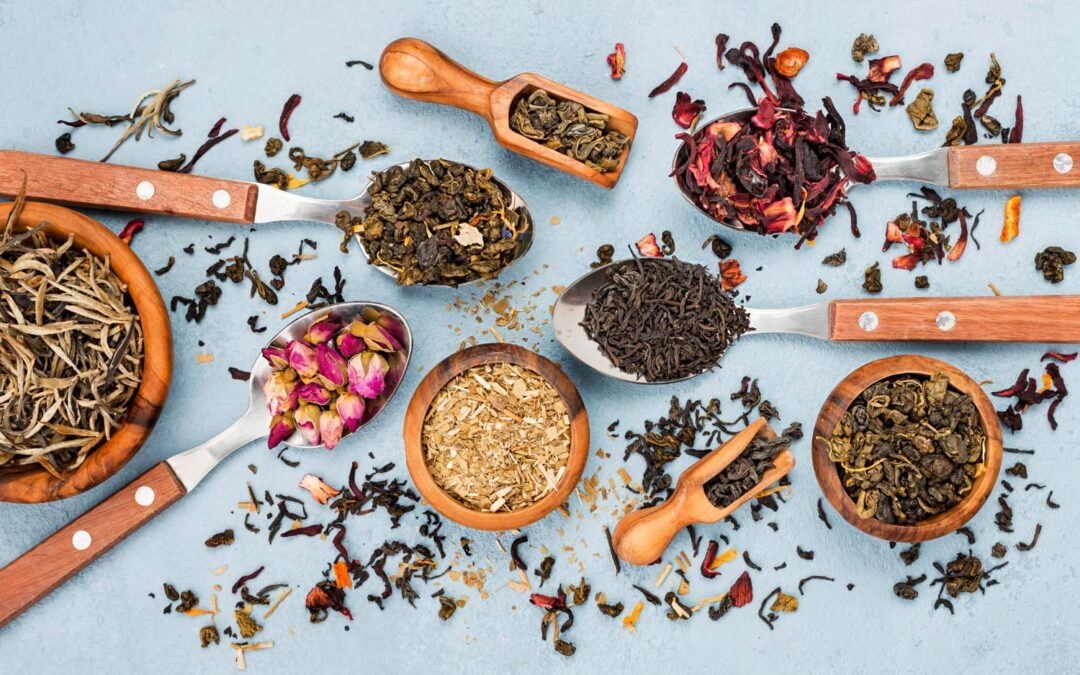
Most restaurants burn through about £3,000 worth of herbs yearly, yet barely anyone knows their supplier’s cold storage runs at 18°C instead of the optimal 2-4°C. That temperature difference turns your expensive oregano into sawdust within days instead of weeks. Getting a proper wholesale herbs supplier means understanding these hidden details that can make or break your food costs.
The 72-Hour Freshness Window Nobody Talks About
Here’s what herb suppliers won’t tell you—most dried herbs lose 40% of their essential oils within 72 hours of grinding if stored incorrectly. Those pre-ground seasonings sitting in plastic containers under fluorescent lights? They’re basically expensive green powder by the time they reach your kitchen. Smart suppliers vacuum-seal everything immediately and use UV-blocking packaging.
Why Mediterranean Herbs Cost Double in Winter
European herb farms shut down production between November and March, forcing suppliers to source from greenhouse operations or import from North Africa. The greenhouse stuff lacks intensity because artificial growing conditions don’t stress plants enough to develop strong flavour compounds. North African imports often arrive with higher moisture content, creating mould issues within weeks.
The Pesticide Residue Problem
Even “washed” conventional herbs carry residue that affects taste—not just health. Fungicide residues create bitter metallic notes, whilst herbicide traces leave soapy aftertastes. Organic certification costs suppliers about 30% more, but eliminates these flavour contaminants that customers notice even when they can’t identify why food tastes “off.”
Grinding Size Affects Flavour Release
Most suppliers use industrial grinders that create inconsistent particle sizes, mixing fine powder with chunky bits. The powder releases flavour too quickly and burns during cooking, whilst large pieces never properly release their oils. Professional suppliers use multi-stage grinding systems that create uniform particle sizes optimised for different cooking methods.
Supply Chain Vulnerabilities You Never Consider
Single-source suppliers get destroyed by weather events. The 2023 floods in Turkey wiped out 60% of global oregano production, sending prices from £12 per kilo to £45 overnight. Diversified suppliers maintain contracts with farms across different regions and climates, protecting against these supply shocks that can destroy your menu costings.
The Moisture Content Trick
Cheap suppliers sell herbs with 12-15% moisture content because water adds weight. Proper dried herbs should contain 8-10% moisture maximum. Higher moisture means shorter shelf life, mould growth, and diluted flavour intensity. Professional suppliers test moisture levels and guarantee specifications.
Why Packaging Materials Matter More Than Price
Herbs stored in regular plastic bags lose flavour compounds through the packaging material itself. Food-grade metalized barriers prevent this “flavour migration” and block light that breaks down colour compounds. These specialized bags cost three times more but preserve quality for months instead of weeks.
Building Competitive Advantages Through Knowledge
Finding a wholesale herbs supplier who understands these technical details gives you flavour advantages competitors can’t match, whilst protecting profit margins from hidden quality degradation costs most operators never notice until it’s too late.