
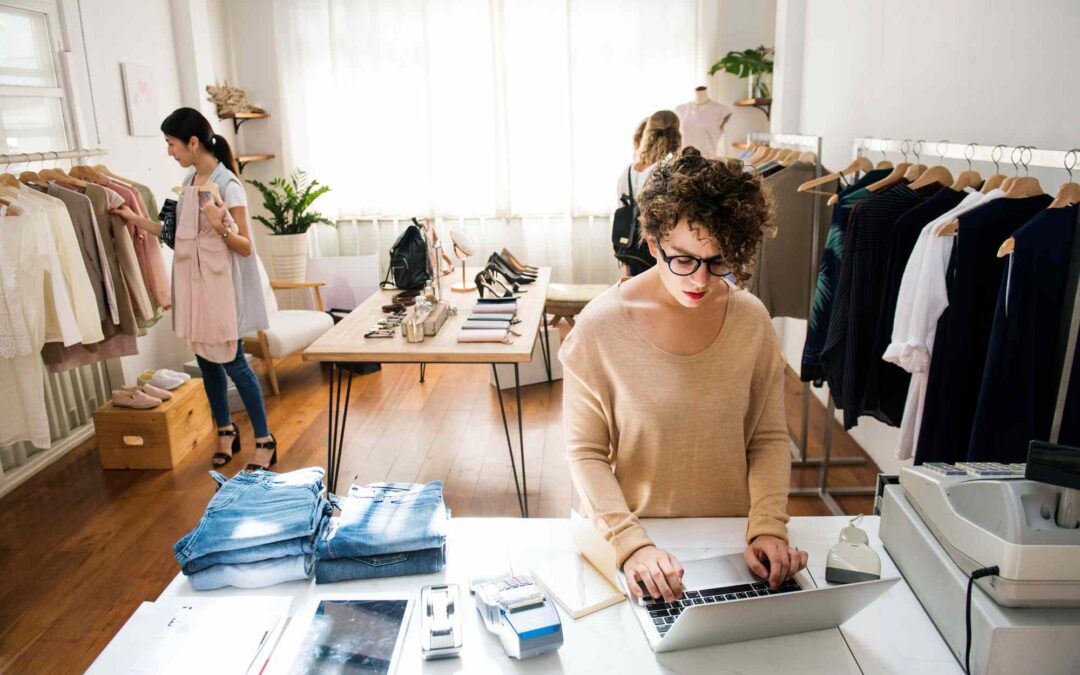
Retail design is about much more than arranging products neatly on shelves. The physical environment of a store affects how customers feel, where they move, what they notice first, and how long they choose to stay. In a competitive market, those details matter. A well-designed store does not just display products effectively. It helps shape a more memorable brand experience from the moment someone approaches the entrance.
That experience often begins before a customer even walks in. Window displays, signage, lighting, and the overall frontage all contribute to the first impression. A clear and well-considered exterior helps people understand the tone of the brand quickly. It can suggest whether the store feels premium, practical, creative, relaxed, or highly curated.
Once inside, layout starts doing much of the quiet work. The arrangement of pathways, feature zones, service points, and displays influences how naturally customers move through the environment. Good retail design makes the store feel intuitive. It helps people understand where to go without over-explaining the space.
Atmosphere matters just as much as navigation. Lighting, material choices, colours, fixtures, and display style all affect whether the store feels inviting or forgettable. Strong design creates an environment that supports the brand rather than distracting from it. When the visual language is consistent, the store feels more complete and more deliberate.
Flexibility is another important part of good retail design. Stores have to adapt to seasonal changes, promotions, new product ranges, and shifting customer behaviour. A rigid design can become dated quickly. A more flexible approach allows the business to keep refreshing the environment without losing coherence.
Presentation also influences product engagement. Customers are more likely to stop and explore when displays are easy to understand and visually strong. Clear grouping, thoughtful spacing, and considered focal points help products compete for attention in a useful way rather than in a chaotic one.
What customers expect from stores has also changed. Convenience still matters, but people increasingly respond to environments that feel thoughtful, enjoyable, and brand-led. They want spaces that are easy to shop, but also spaces that feel worth visiting.
That is why retail design remains so valuable. It helps turn a shop from a simple transaction point into a place that feels recognisable and engaging. When done well, it supports both the commercial goals of the business and the experience of the people walking through the door.