
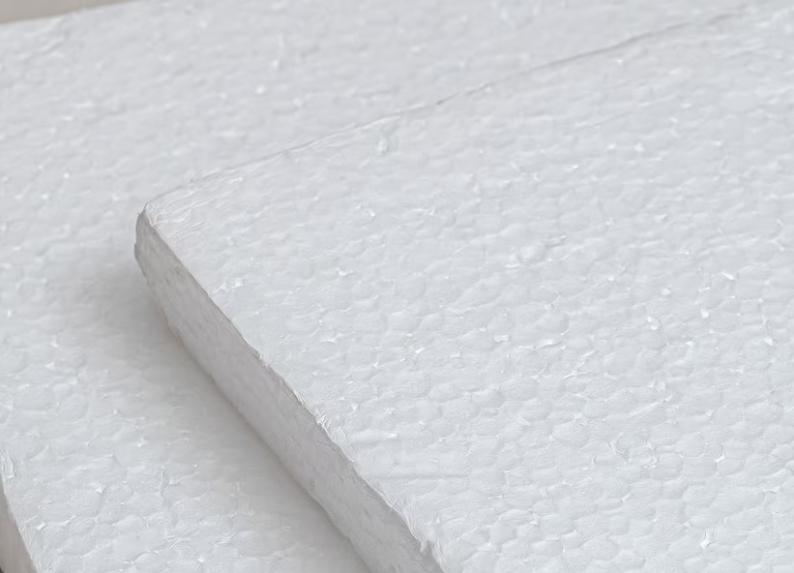
Polystyrene foam, commonly found in packaging, insulation, and takeaway containers, is a lightweight plastic with a disproportionately large environmental footprint. While widely used for its durability and insulation properties, it poses a significant waste challenge due to its non-biodegradable nature. In recent years, polystyrene foam recycling has gained traction in Australia as a viable way to mitigate its environmental impact, but the process and its implications remain complex.
Volume vs Weight: The Hidden Waste Dilemma
Although polystyrene foam is over 90% air by volume, it occupies considerable space in landfill. This creates logistical inefficiencies in waste management, accelerating the need for more landfill sites. Recycling helps reduce this space burden, but the low density of the material means transportation and collection must be highly strategic to be cost-effective and environmentally viable.
Contamination and Sorting Challenges
Polystyrene foam is notoriously difficult to recycle due to contamination from food residue or adhesives. Contaminated foam often ends up in landfill, even when placed in recycling bins. Effective recycling relies on consumer education, stringent collection systems, and dedicated drop-off facilities that can handle and sort clean materials.
Energy Use in Recycling vs Production
While recycling polystyrene requires energy, it’s significantly less than the energy needed to produce virgin polystyrene from petrochemicals. Closed-loop recycling systems, where the material is repurposed into similar products, further reduce carbon emissions and reliance on fossil fuels. However, Australia’s decentralised recycling infrastructure means energy savings can be offset by long-haul transport unless regional processing hubs are expanded.
Emerging Technologies and Innovation
Advancements in compacting and melting technologies now allow for higher volumes of polystyrene foam to be processed more efficiently. Some recyclers convert it into high-density bricks for reuse in construction or export. These innovations make the material less economically prohibitive to recycle and open new end-market opportunities.
Consumer Access to Facilities
Despite these advances, access to appropriate recycling facilities remains limited in many regions. A quick online search for “polystyrene recycling near me” may yield few results, especially in rural or less densely populated areas. Improving access is critical to increasing participation and making recycling efforts more impactful.
Government Policy and Industry Incentives
Australian states have started to ban expanded polystyrene in specific applications, pushing both consumers and businesses toward alternatives. At the same time, recycling incentives and national waste strategies are encouraging innovation and investment in the sector.
Though not without its challenges, polystyrene foam recycling in Australia plays a critical role in reducing landfill waste, saving energy, and encouraging circular economy practices. Ongoing infrastructure investment and policy alignment are key to ensuring its environmental benefits are fully realised.