
In 2026, the safety of a city is no longer just the responsibility of the municipal departments; it is a shared mission between the public and private sectors. For local business owners, participating in community outreach: how local businesses can improve fire safety is not just an act of corporate social responsibility—it is a strategic investment in the stability of the local economy. When a business champions safety, it protects its neighbors, reduces the burden on emergency responders, and builds a brand rooted in trust.
Partnering with professional organizations like St. George Fire allows businesses to access expert resources, ensuring that their outreach efforts are grounded in the most current safety protocols and fire science.
1. Hosting “Safety Saturdays” and Workshops
The most direct way a business can influence community behavior is by providing a venue for education. Whether you own a hardware store, a cafe, or an insurance agency, your physical space can serve as a classroom.
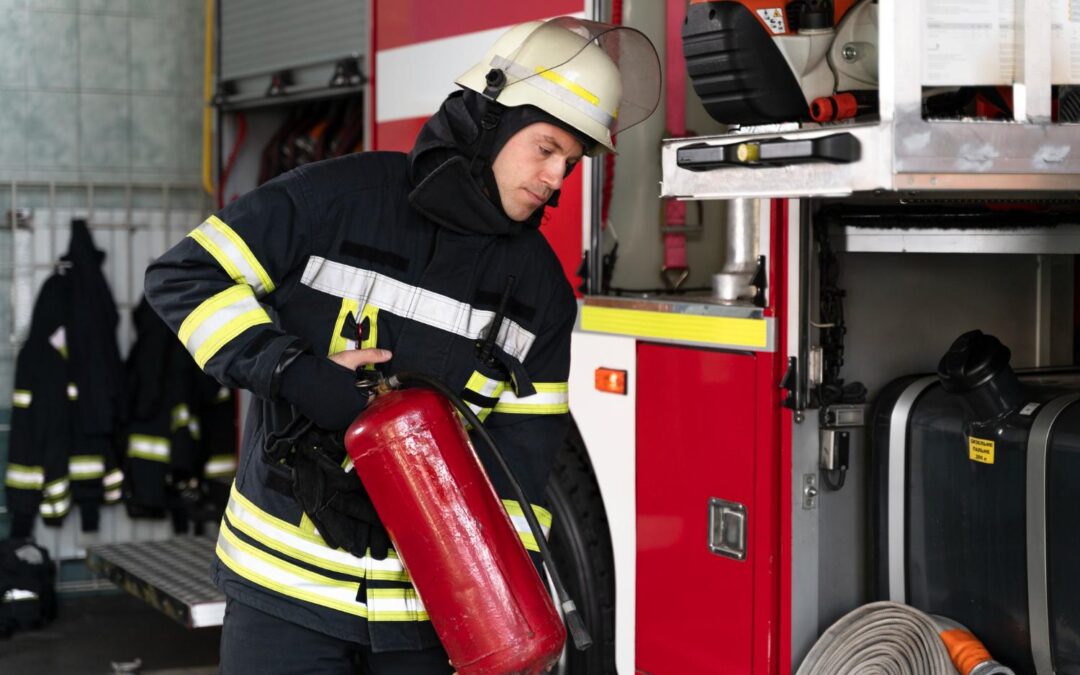
- Hands-on Training: Invite local fire marshals to lead fire extinguisher training in your parking lot. Most people own an extinguisher but have never actually pulled the pin.
- Youth Education: Sponsorship of “Fire Safety for Kids” programs, featuring coloring books or demonstrations of smoke detectors, can make a lasting impression on the next generation.
By collaborating with St. George Fire, businesses can ensure these workshops cover vital topics like the “Stop, Drop, and Roll” technique and the importance of having two ways out of every room.
2. Leveraging Digital Footprints for Advocacy
Most local businesses have a loyal social media following or a monthly email newsletter. These platforms are powerful tools for distributing life-saving information.
The Strategy: Dedicate one post per month to a “Safety Tip of the Month.” During the winter, focus on space heater safety; in the spring, discuss clearing dry brush to prevent wildfires. By sharing official infographics and checklists, you lend your brand’s voice to the cause of public safety, reaching people who might not actively seek out fire department pages.
3. Donating Equipment and Supplies
Not every family in the community can afford the latest safety technology. Local businesses can bridge this gap through targeted donation programs.
- Smoke Detector Drives: Organize a “Buy One, Give One” event where every smoke detector sold results in a donation to a low-income household.
- Battery Replacement Programs: Partner with a local senior center to provide and install fresh 9V batteries for elderly residents who may struggle to reach high ceilings.
These tangible contributions provide immediate protection to the most vulnerable members of the community, significantly reducing the likelihood of a fatal fire in residential areas.
4. Implementing Internal “Gold Standard” Practices
To lead the community, a business must first lead by example. Improving fire safety begins within your own walls. When customers see a business that prioritizes clear exits, visible fire extinguishers, and well-maintained sprinkler systems, they are subconsciously reminded of the importance of these features in their own homes.
Internal Best Practices:
- Transparent Fire Drills: Conduct drills during business hours (with prior notice to customers). It demonstrates that your staff is trained and that safety is a non-negotiable priority.
- Fire-Safe Landscaping: If your business is in an area prone to brush fires, utilize “defensible space” landscaping. This involves using fire-resistant plants and keeping a clear zone around the building, serving as a live demonstration for homeowners.
5. Supporting the First Responders
A strong relationship between local businesses and the fire department creates a more resilient community. Businesses can support departments through:
- Sponsorships: Funding for specialized equipment that may fall outside the municipal budget, such as thermal imaging cameras or advanced hydraulic rescue tools.
- Appreciation Events: Hosting “First Responder Nights” to build morale and strengthen the social ties between the protectors and the protected.
The Economic Ripple Effect
When businesses take the lead in community outreach: how local businesses can improve fire safety, the economic benefits are significant. A community with fewer fires experiences lower insurance premiums, higher property values, and less disruption to the local supply chain. It creates a “Safety Culture” where residents feel secure and businesses are seen as vital pillars of the community rather than just commercial entities.
Summary of Actionable Steps
If you are a business owner looking to start your outreach journey, follow this simple roadmap:
- Contact: Reach out to your local fire department to discuss their current outreach needs.
- Audit: Perform a safety audit of your own premises to lead by example.
- Promote: Use your marketing channels to share safety tips.
- Engage: Sponsor or host one community safety event per year.
Conclusion
Fire safety is a collective effort that thrives on local engagement. By integrating safety advocacy into your business model, you are doing more than just marketing—you are potentially saving a life. Through education, donation, and partnership, local businesses can transform from mere retailers into community guardians. When we work together to prevent the spark, we ensure the entire community continues to shine.