
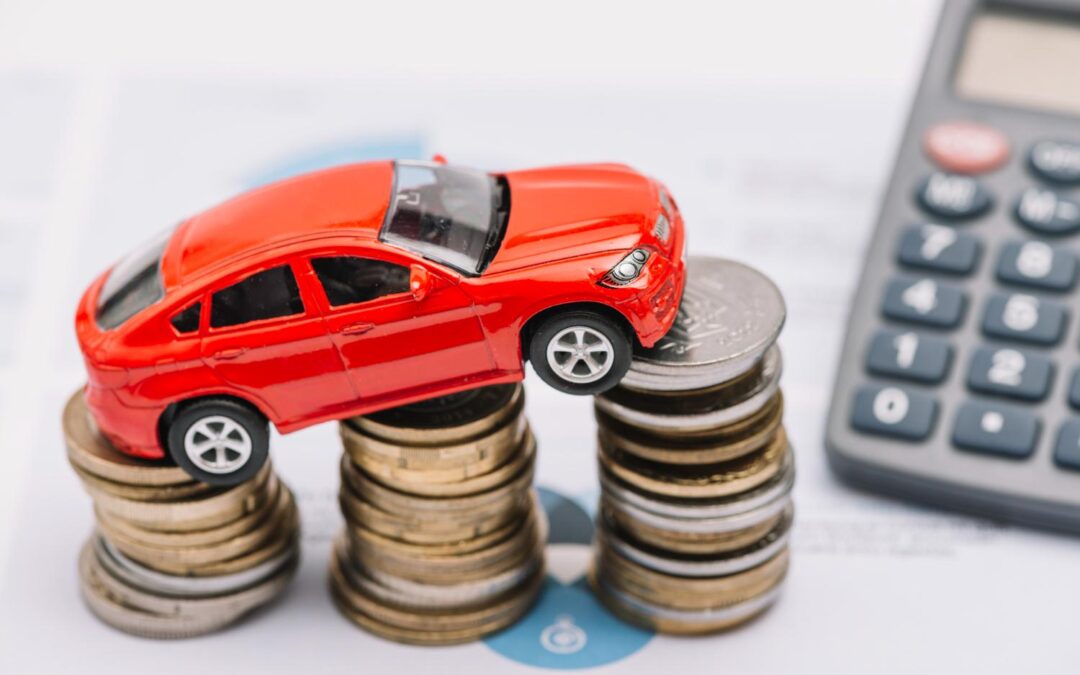
As electric vehicles (EVs) become more popular across the country, so too has the need for accessible and competitive financing. One of the most frequently asked questions by prospective buyers is what determines electric car loan rates in Australia. While many expect these rates to follow similar trends as conventional car loans, there are several unique variables specific to the EV market that impact borrowing costs.
Credit Score and Borrowing History
As with any type of loan, your credit score remains a primary factor influencing your rate. Lenders use your credit profile to assess risk; the higher your score, the lower the interest rate you’re likely to be offered. A strong repayment history, low credit utilisation, and minimal outstanding debts all contribute to better offers.
Vehicle Make and Model
The specific EV you choose can also affect your loan rate. Some lenders favour mainstream electric vehicles that retain value well and have broader resale markets, offering lower interest rates as a result. Others may be hesitant to finance niche or newer models with uncertain depreciation curves. The more confidence a lender has in the resale value of your EV, the better the rate you’re likely to receive.
Loan Term and Deposit Size
Longer loan terms tend to carry higher interest rates, as they increase the lender’s exposure over time. Conversely, a higher upfront deposit can reduce risk for the lender, potentially securing a lower rate. It’s worth weighing the benefits of a longer term (and lower monthly repayment) against the increased total cost due to interest.
Lender Type and Market Competition
Different types of lenders—from traditional banks to green finance specialists—offer varying terms. Non-bank lenders and credit unions are increasingly competitive in this space, often promoting eco-friendly financing packages. These market forces can work in the borrower’s favour, as institutions vie for customers seeking electric car loans in Australia.
Government Policies and Subsidies
State and federal incentives not only lower the cost of EV ownership but also influence financing rates. Some lenders factor government rebates and tax credits into loan calculations, reducing perceived risk and improving available rates. In some instances, lenders offer special “green loans” for EVs, which come with preferential terms and eligibility criteria based on sustainability.
Electric car loan rates in Australia are shaped by a mix of borrower-specific factors and broader market dynamics. Understanding how vehicle choice, credit profile, loan structure, and government policies intersect can empower consumers to secure better rates—and ultimately make the shift to electric mobility more affordable and sustainable.