
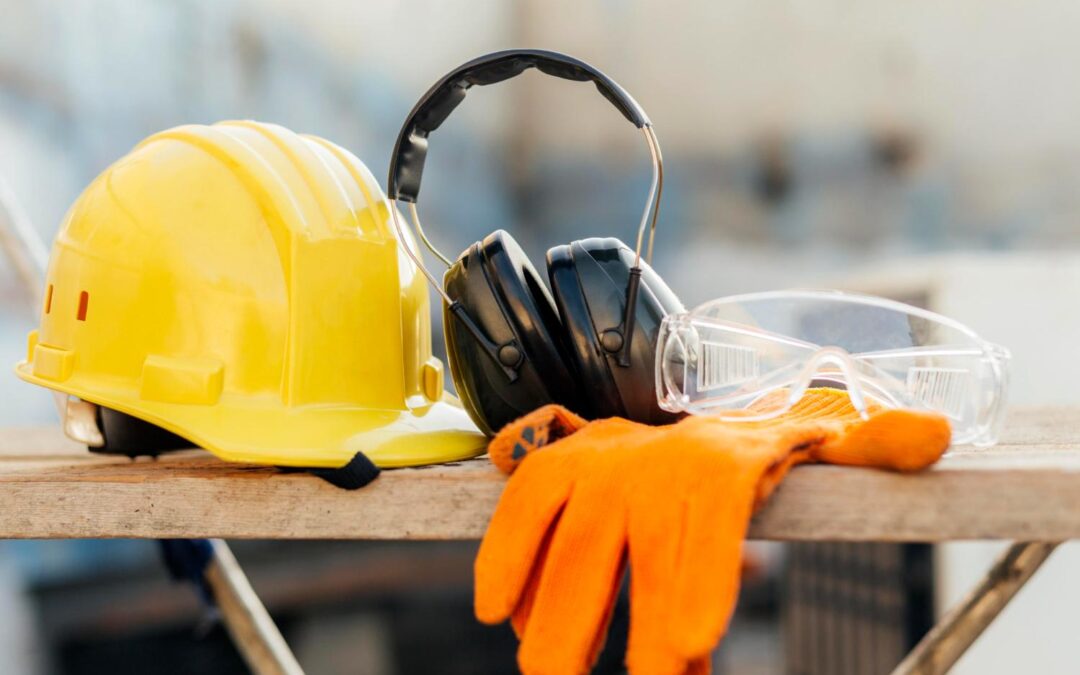
Industrial safety is non-negotiable. From construction sites to manufacturing plants, safety equipment plays a crucial role in protecting workers from injuries and accidents. However, many workplaces continue to use outdated or worn-down industrial safety equipment without realizing the risks this poses.
Over time, equipment can lose its effectiveness, leaving workers vulnerable to hazards. How can you identify when it’s time for an upgrade? In this article, we’ll explore the signs that indicate your industrial safety equipment needs replacing or modernizing.
Signs Your Industrial Safety Equipment Needs an Upgrade
1. Frequent Wear and Tear
One of the most obvious signs that your industrial safety equipment needs upgrading is visible wear and tear. Items like helmets, gloves, boots, and harnesses degrade with use.
What to Look For:
- Cracked helmets or hard hats.
- Torn gloves or frayed straps on harnesses.
- Worn-out soles on safety boots.
Damaged equipment loses its ability to provide adequate protection, potentially putting workers in harm’s way. Regular inspections are key to identifying these issues early.
2. Failure to Meet Current Standards
Safety standards and regulations are updated periodically to address new risks and technological advancements. If your equipment isn’t compliant with the latest safety guidelines, you may be exposing workers to unnecessary dangers.
Why It’s Concerning:
Failure to comply with current standards can lead to penalties, legal issues, and a lack of trust among workers. Updating equipment ensures that you’re meeting industry requirements and protecting your team.
3. Recurring Maintenance Issues
While occasional maintenance is expected, frequent repairs are a sign that the equipment is nearing the end of its lifespan. Constant breakdowns not only cost time and money but also compromise safety.
Common Issues Include:
- Malfunctioning respirators.
- Faulty electrical components in safety tools.
- Recurrent problems with safety harnesses or fall protection gear.
If maintenance is becoming a burden, it may be more cost-effective to invest in new equipment rather than repeatedly repairing old items.
4. Decreased Functionality or Performance
Over time, industrial safety equipment may lose its effectiveness, even if it appears to be in decent condition. For example, respirators may fail to filter harmful particles effectively, or goggles may develop scratches that impair visibility.
Indicators:
- Equipment that doesn’t fit properly due to wear.
- Reduced reliability during critical tasks.
- Limited protection against newer risks.
If workers report that equipment feels unreliable or uncomfortable, it’s a clear sign that improvements are necessary.
5. Introduction of New Workplace Hazards
As your workplace evolves, new hazards may emerge. Older equipment may not be designed to mitigate these risks effectively.
Examples:
- Introduction of more dangerous chemicals.
- Higher noise levels requiring advanced hearing protection.
- Tasks involving more advanced machinery or technology.
Upgrading safety equipment ensures it aligns with the changing environmental risks and operational demands.
6. Feedback from Workers
Your workers are the first to notice issues with safety equipment because they use it daily. Pay attention to their concerns and feedback.
What Workers Might Report:
- Uncomfortable fits or difficulties using equipment.
- Concerns about equipment durability or functionality.
- Suggestions for modern alternatives that better suit their tasks.
Listening to workers promotes a culture of safety and helps you identify issues before they result in accidents.
Conclusion
Keeping your industrial safety equipment up-to-date is an essential part of workplace safety. Frequent wear and tear, failure to meet current standards, recurring issues, and shifting workplace hazards are clear signs that upgrades are needed.
Investing in modern, reliable equipment not only ensures worker protection but also fosters trust, compliance, and productivity.