
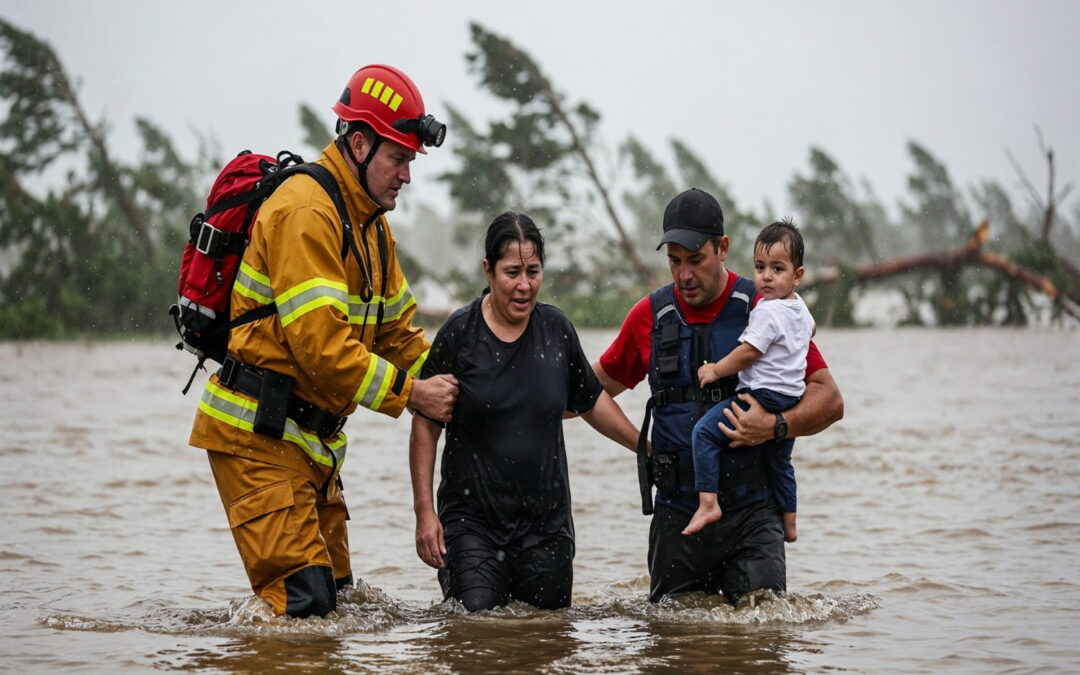
When a powerful hurricane approaches, evacuation orders are issued to protect lives. But sometimes, major highways and local roads become flooded, blocked by fallen trees, damaged by debris, or jammed with traffic. If you find yourself needing to evacuate during a hurricane when roads are blocked, having a clear plan can keep you and your family safe. Preparation, awareness, and smart decision-making are key.
Stay Alert and Act Early
One of the most important steps in hurricane evacuation safety is staying informed. Monitor weather alerts, local news, emergency broadcasts, and official instructions. Hurricanes can intensify quickly, and roads that were usable in the morning may be underwater by evening. Acting early reduces your risk of getting trapped and gives you more evacuation options.
If authorities issue an evacuation order, do not delay. Leaving sooner means less traffic, fewer hazards, and a safer journey.
Map Out Multiple Evacuation Routes
Do not rely on just one route. Before hurricane season even begins, identify at least three ways to leave your area. Include highways, back roads, and rural exits. GPS apps are helpful, but they may not update fast enough during extreme weather, so printing or downloading offline maps is always wise.
Check for:
- Low-lying flood-prone areas
- Bridges that may close early
- Roads surrounded by trees that could fall
If your main route becomes blocked, you’ll be ready with an alternative.
Prepare an Emergency Go-Bag
If you must evacuate quickly, having essentials ready saves time and stress. Your emergency bag should include:
- Water and non-perishable food
- First-aid supplies and necessary medications
- Flashlights and spare batteries
- Portable phone chargers
- Important documents in waterproof storage
- Extra clothing and blankets
Keep this bag somewhere easy to grab so you can leave immediately if conditions worsen.
Never Drive Through Floodwaters
Blocked roads often mean flooding — and flooded roads are extremely dangerous. Just six inches of moving water can sweep a vehicle off the roadway. The water may also hide sinkholes, downed power lines, or washed-out pavement.
If you encounter floodwater:
- Turn around — don’t risk crossing
- Avoid bridges that appear unstable
- Seek higher ground if stuck
Your safety is more important than continuing forward.
Stay Connected But Conserve Battery
Communication during a hurricane evacuation is vital. Tell a trusted contact where you are going and check in when possible. Keep your phone charged and turn on battery-saving mode. Carry backup power banks so you do not lose the ability to call for help if needed.
If you lose cellular service, radio broadcasts often continue longer than mobile networks and can provide evacuation guidance.
If You Cannot Evacuate Shelter Safely
Sometimes all routes become impassable, and evacuation is no longer possible. If that happens, seek the safest shelter available. Choose an interior room on a higher floor, away from windows, and take your emergency kit with you. Avoid basements in flood-risk areas.
Continue monitoring official updates so you’ll know when it becomes safe to move again.
Help and Rescue Services
During major hurricanes, trained volunteers and community responders often work alongside emergency services to assist stranded evacuees and deliver aid when roads are blocked. Organizations such as Cajunnavy 2016 have become known for supporting rescue and relief efforts during severe storms when residents need help most.
If you require rescue assistance, stay calm, conserve your phone battery, and clearly describe your location, surroundings, and any medical needs.
Protect Your Vehicle and Personal Safety
Before leaving, secure your vehicle as best as possible. Fill your fuel tank in advance, since gas stations may close or lose power. Keep extra fuel only in approved containers. Pack tools such as a spare tire, jack, and basic repair kit in case you encounter debris-damaged roads along the way.
Most importantly, remain calm and patient. Stress can cause rushed decisions — and rushed decisions during a hurricane can be dangerous.
After the Storm Be Cautious Returning
Do not rush back home immediately after the hurricane passes. Wait for officials to confirm that roads are safe and that utilities like power and gas have been stabilized. Downed lines, weakened bridges, and hidden debris can remain hazardous long after the storm.
If relief support is active in your area, groups like Cajunnavy 2016 may still be assisting communities, so follow local coordination efforts and emergency management updates.
Final Thoughts
Evacuating during a hurricane is stressful — and when roads are blocked, it becomes even more challenging. But with early preparation, multiple route plans, a ready-to-go emergency kit, and constant awareness of changing conditions, you can evacuate safely and protect your family.