
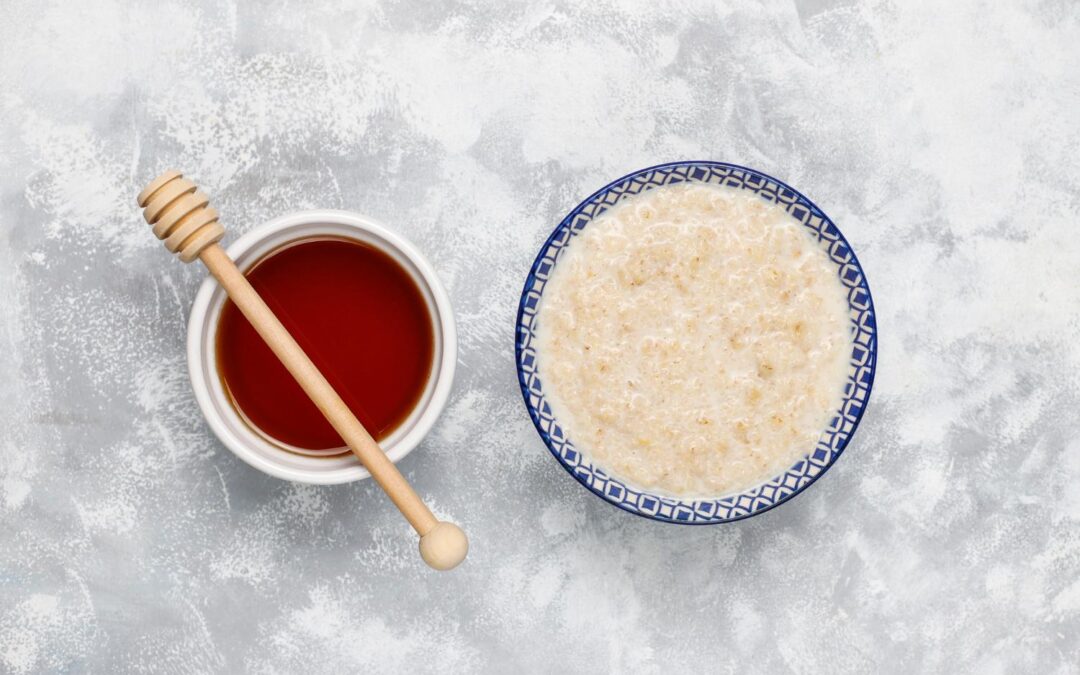
Liquid sugar is increasingly becoming a popular ingredient in homes, restaurants, and food manufacturing processes. But what exactly is this sweet solution? In this blog, readers will discover the uses, benefits, and how liquid sugar compares to molasses, a classic alternative. Whether you’re a food scientist, professional chef, or simply curious about sweeteners, this guide breaks down everything you need to know.
What Is Liquid Sugar?
Liquid sugar is simply sugar dissolved in water. It is created by mixing granulated sugar (often sucrose) with water to produce a smooth, syrup-like sweetener. This ingredient is commonly used in beverages like sodas, baked goods, and sauces due to its ability to blend easily without leaving behind gritty residue. Additionally, liquid sugar offers a consistent sweetness profile, making it a staple in industries that prioritize precision and flavor balance.
The Functions and Uses of Liquid Sugar
Liquid sugar simplifies the process of sweetening food and beverages. In commercial settings, it is favored for large-scale production of soft drinks, energy bars, and marinades. Its liquid state eliminates time-consuming dissolving, allowing it to be added directly into hot or cold recipes without altering the texture.
Moreover, liquid sugar is versatile in home cooking. It’s a fantastic solution for sweetening iced teas, cocktails, and even salad dressings. It’s also becoming a preferred option for bakers looking to achieve consistent caramelization in proper baking temperatures.
Comparing Liquid Sugar and Molasses
Molasses, a by-product of sugar processing, differs greatly in taste, texture, and nutritional value. Unlike liquid sugar, molasses has a dark, rich flavor with earthy undertones, making it perfect for heartier recipes such as gingerbread or barbeque sauces. It often contains trace minerals like calcium, potassium, and magnesium, which provide a small nutritional benefit.
While molasses is thicker and more robust, liquid sugar offers a neutral taste and smoother consistency, making it versatile across a wider array of recipes. For those seeking bold flavor profiles, molasses may be the preferred choice; however, for effortless incorporation into delicate dishes, liquid sugar shines.
The Benefits of Liquid Sugar
Liquid sugar provides convenience and precision. Its pre-dissolved form ensures accurate sweetness measurements, crucial in the food manufacturing process. This consistency eliminates the risk of clumping or uneven flavor distribution. Additionally, white sugar can reduce prep time in kitchens, which is ideal for high-speed cooking environments.
While molasses provides a richer alternative for recipes requiring depth, liquid sugar delivers unmatched simplicity and versatility, making it a sought-after choice in both commercial and personal culinary applications.
Liquid sugar is the modern chef’s ally, offering ease of use and consistent sweetness across a range of recipes. Its liquid form is ideal for beverages, desserts, and sauces, while molasses excels in darker, more intense flavors. The choice between the two depends on recipe needs and taste preferences, but liquid sugar’s adaptability makes it increasingly favored in the culinary world.