
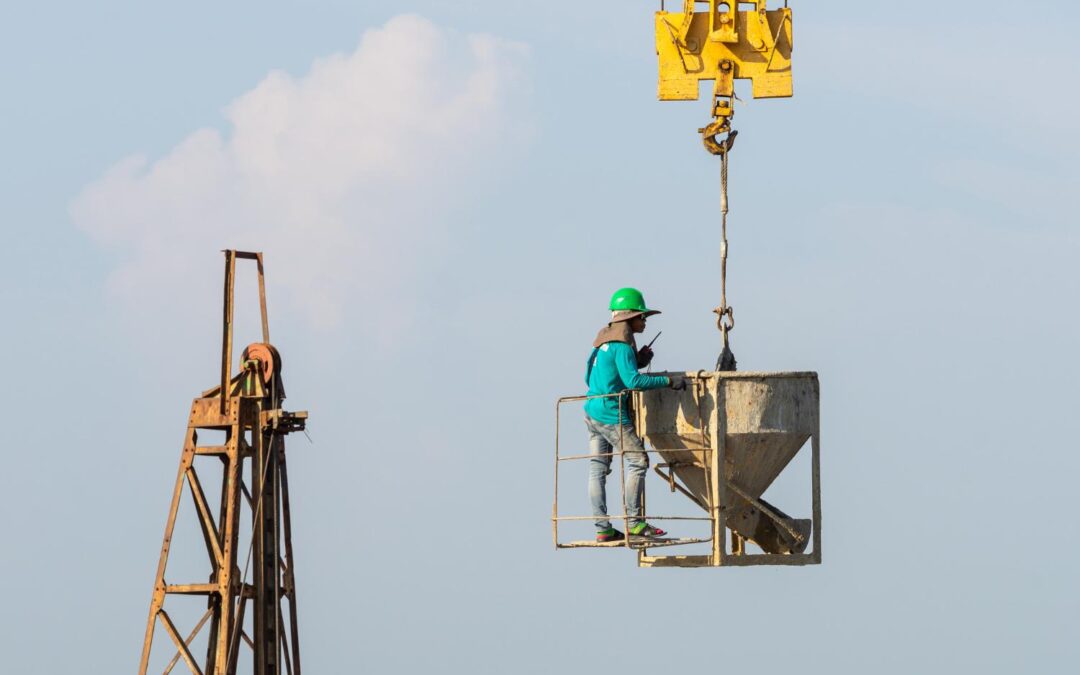
Working at heights isn’t just “part of the job” — it’s one of the riskiest environments most people face daily. Whether it’s construction, maintenance, or industrial work, even a small slip can have serious consequences. That’s why investing in proper fall protection and reliable height safety systems isn’t optional — it’s critical. These aren’t just legal checkboxes; they’re systems designed to protect lives, reduce injuries, and give workers the confidence to focus on the task at hand without fear.
Understanding Fall Protection
When people hear fall protection, they often think harnesses or ropes. While that’s part of it, fall protection is actually a comprehensive approach that includes:
- Personal protective equipment (PPE) like harnesses, lanyards, and helmets
- Guardrails and barriers
- Training for safe movement at heights
- Rescue plans in case something goes wrong
The goal is simple: prevent falls before they happen, and limit the impact if they do. A strong fall protection strategy reduces accidents and builds a culture of safety across the team.
The Role of Height Safety Systems
While fall protection is about the individual, height safety systems focus on the environment. These are engineered solutions designed to create safe working zones at height:
- Anchor points for harnesses and lanyards
- Roof edge protection systems
- Fall arrest rails and lifelines
- Safety netting and barriers
When properly installed and maintained, height safety systems turn risky surfaces into managed work areas. They’re the structural backbone that makes fall protection equipment effective.
Why Both Are Needed
Some workplaces make the mistake of relying on one without the other — like giving workers harnesses but skipping proper anchor points, or installing rails but neglecting PPE training. The combination of fall protection and height safety systems is what ensures:
- Every worker has a secure way to move and work
- Risks are managed both at the personal and environmental level
- Compliance with workplace safety regulations
- Reduced downtime from accidents and incidents
Think of it as teamwork: the equipment supports the worker, and the environment supports the equipment.
Practical Tips for Implementation
- Regularly inspect all harnesses, lanyards, and anchor points for wear and tear
- Train all staff thoroughly — even experienced workers benefit from refreshers
- Choose height safety systems suited to your specific worksite and surfaces
- Document and review safety procedures to keep standards up to date
Consistency is key. One overlooked rope or loose anchor can undo months of careful planning.
A Note About Culture
Safety isn’t just a system — it’s a mindset. When fall protection and height safety systems are implemented with care, they signal to workers that their wellbeing matters. That culture encourages everyone to follow procedures, check equipment, and stay alert. Over time, it becomes second nature — like wearing a seatbelt every time you drive.
Final Thoughts
Working at height is inherently risky, but proper precautions make it manageable. Combining roof fall protection with engineered height safety systems creates a safety net that literally saves lives.
It’s more than compliance — it’s responsibility, professionalism, and peace of mind. And when workers feel safe, productivity and confidence naturally follow.
Above all, remember: no project is worth a life. Investing in proper protection isn’t just smart — it’s essential.